DGUV fire safety assistant instruction
- Simple online registration.
- Fulfilment of legal requirements.
- With practical exercises.
- Certificate included.

First aid course for safety in the company
The Fire protection assistants-Instruction is a training course that teaches employees how to react quickly and safely in the event of a fire. It is an important part of company fire safety and is regulated by the Workplace Ordinance and the Technical Rules for Workplaces (ASR A2.2 “Measures against fires”). Employers are obliged to provide a sufficient number of Fire protection assistantsn to ensure the safety of employees and the company in the event of an emergency.
Contents at a glance
Theoretical principles of fire protection
Participants learn how fires start, what classes of fire there are and how fires spread. They learn how fire and smoke behave and which factors increase the risk of fire.
Handling fire extinguishing equipment
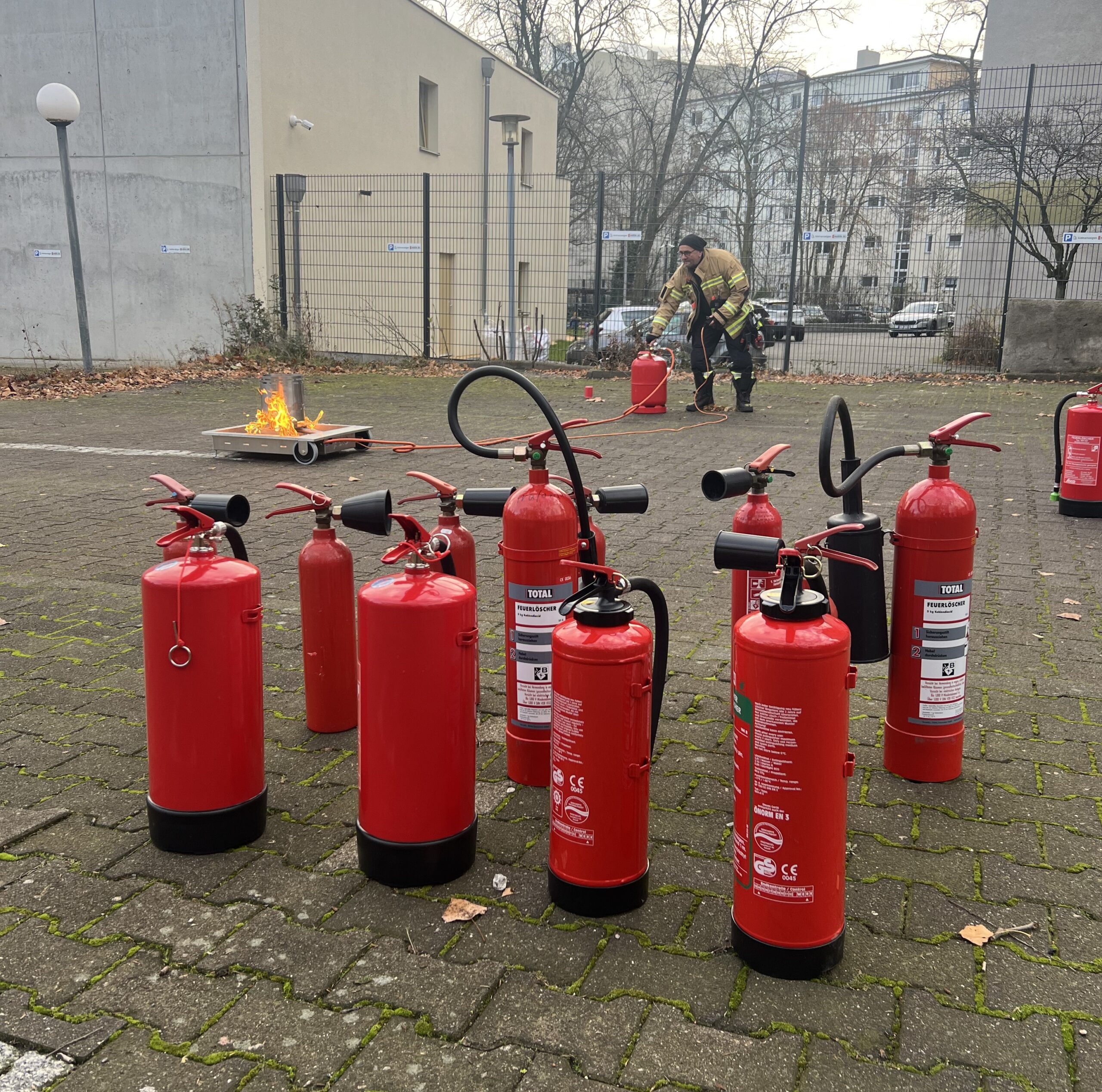
A central point of the training is the correct use of various fire extinguishers and other extinguishing agents, such as wall hydrants or fire blankets. The course teaches which fire extinguishers are suitable for which fire class and how to use them effectively.
Evacuation measures
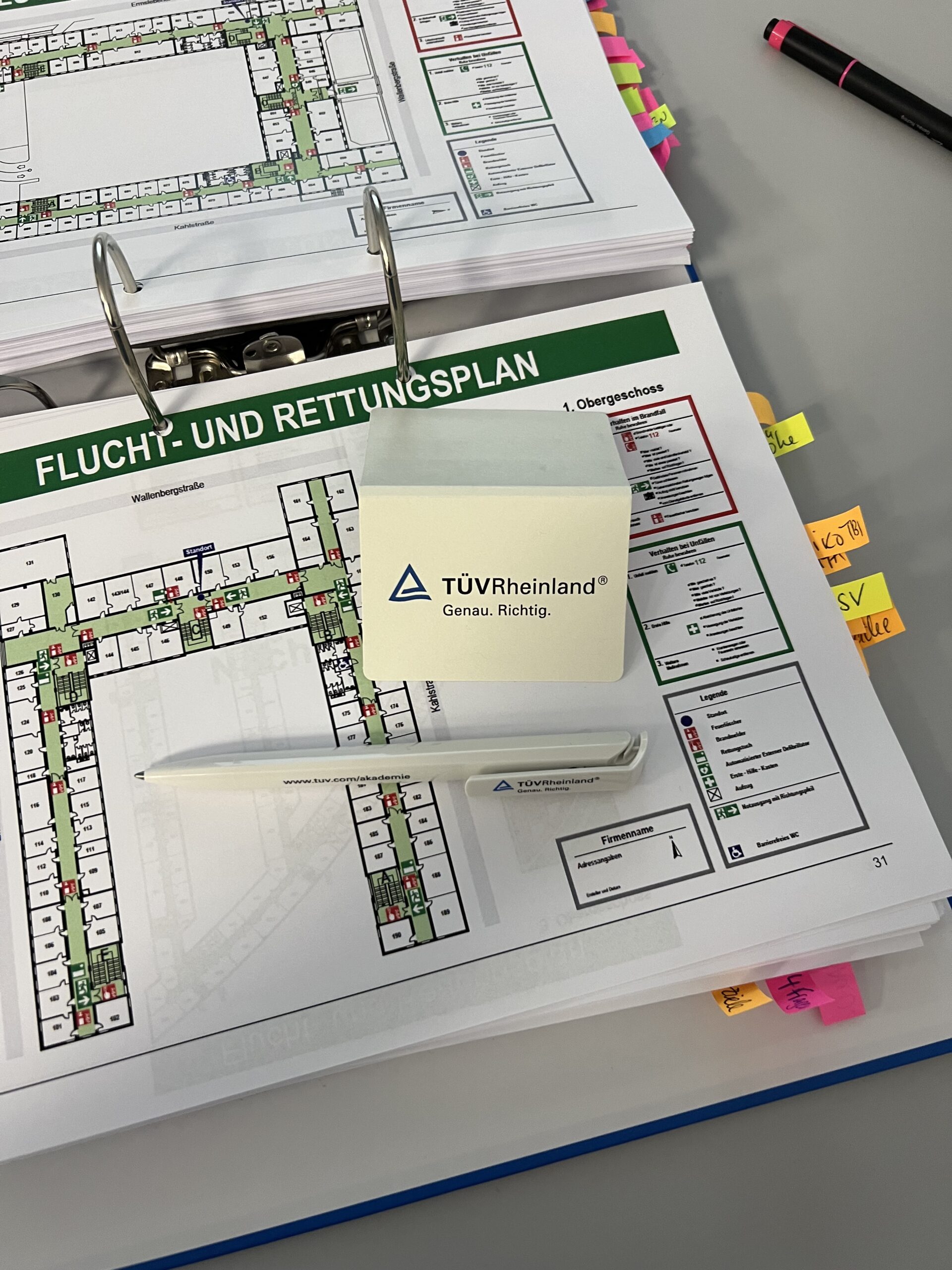
Fire safety assistants must know how to support an orderly evacuation in the event of a fire, secure escape routes and help to rescue people. This also includes communication with the emergency services and behaviour at assembly points.
Practical extinguishing exercises
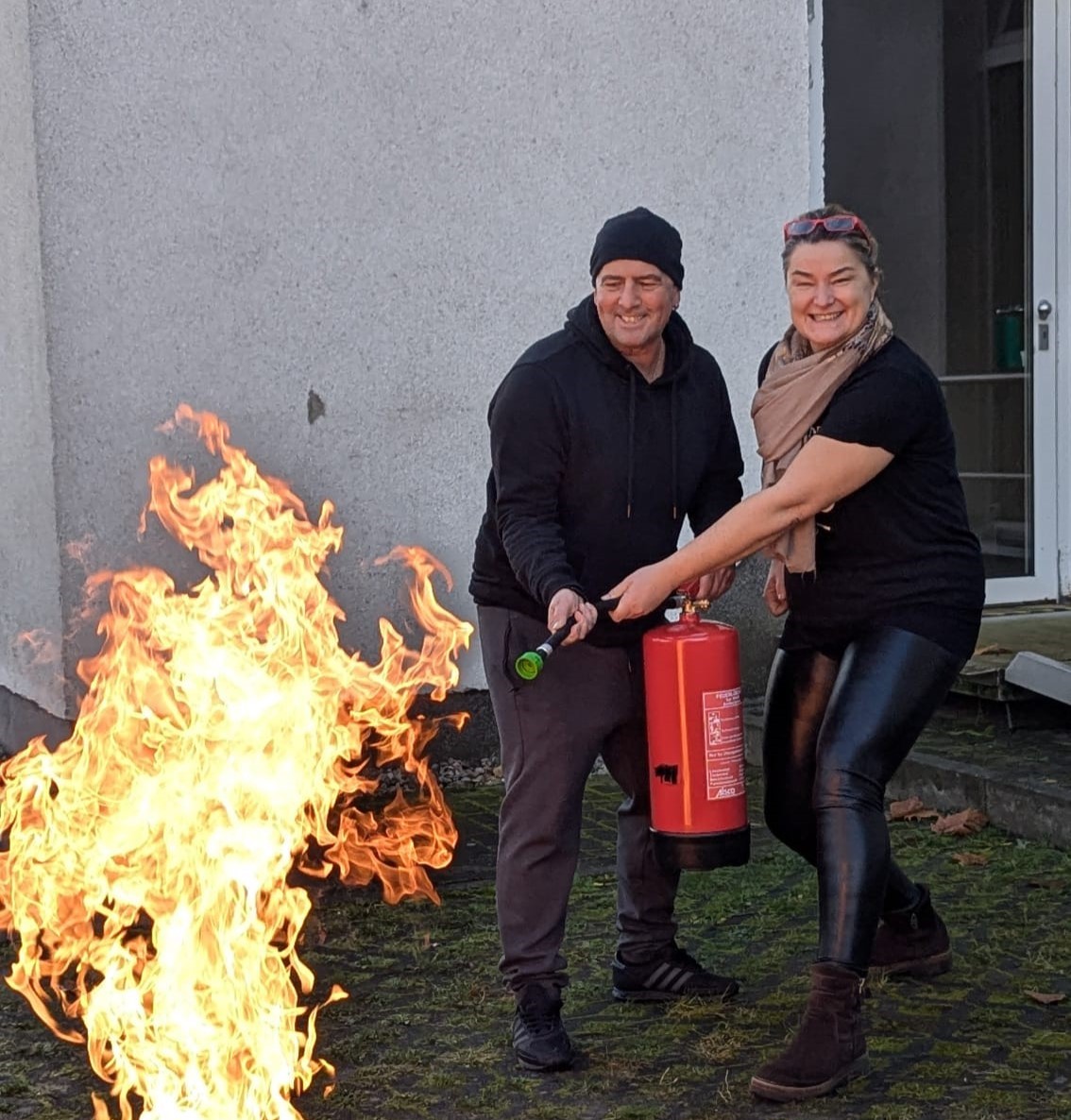
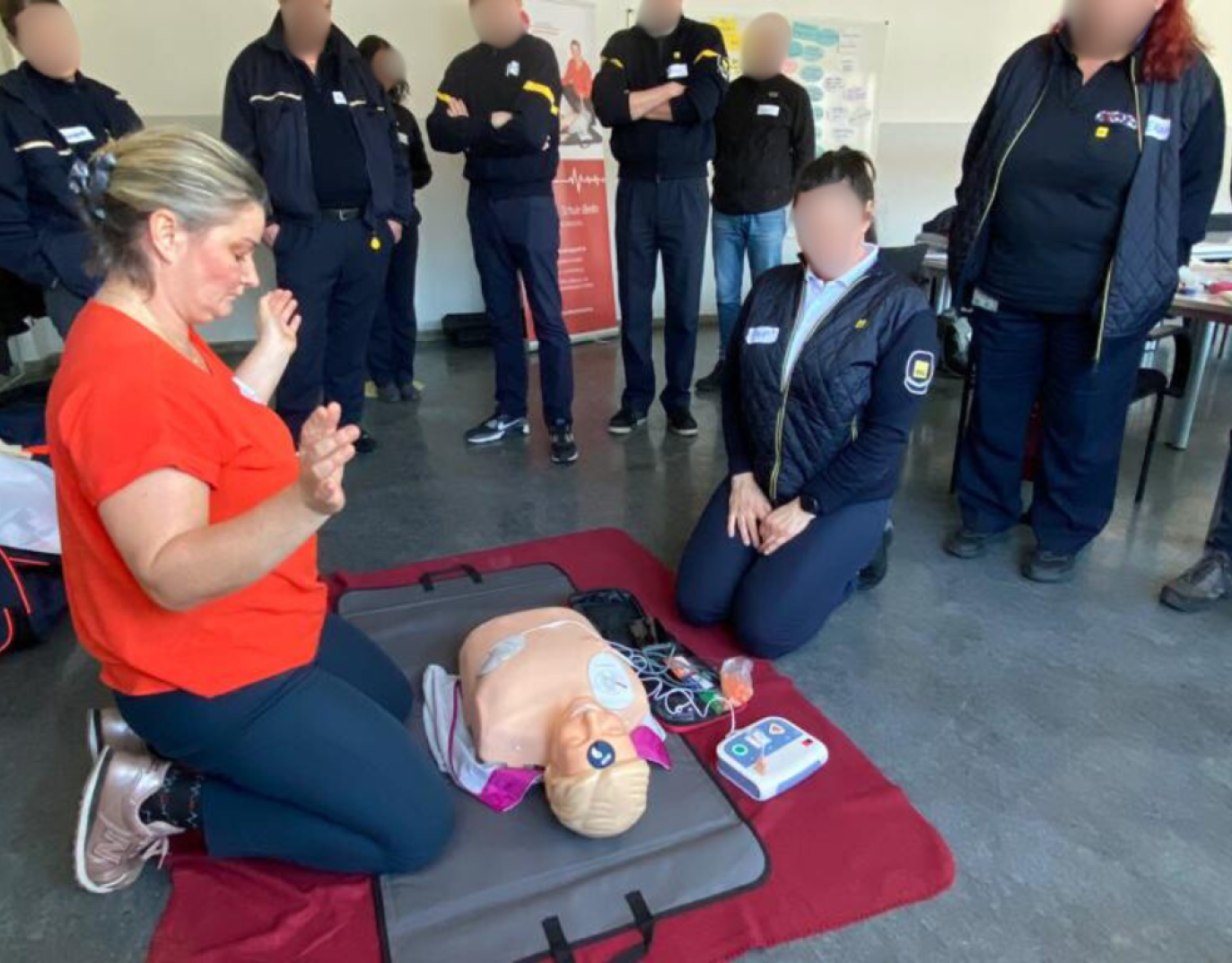
In many courses, participants are given the opportunity to practise extinguishing a fire in a safe environment in order to reduce inhibitions and gain confidence in handling extinguishing agents.
Preventive fire protection
Fire safety assistants also learn how they can help prevent fires in their day-to-day work. This includes recognising fire hazards, checking escape and rescue routes and complying with fire safety regulations in the company.
Role of the fire safety assistant in the company
The participants learn what specific tasks they have as fire safety assistants, for example during fire extinguishing exercises, checking extinguishing agents or training their colleagues in dealing with fire safety measures.
Duration
<span data-metadata=""><span data-buffer="">Dates
<span data-metadata=""><span data-buffer="">Location
12439 Berlin
If required, we also offer in-house training courses directly at your company.
Costs

Safety starts with knowledge
We not only offer formal training, but also give you the confidence to act correctly in an emergency.
FAQ (Frequently asked questions)
How long does a course last?
A fire safety assistant course usually lasts 4 to 6 hours (2×45 minutes theory and 45 minutes practice) and should be refreshed every 3 to 5 years in order to keep the knowledge up to date and to consolidate the practical application.
Will I receive a certificate?
Yes, after successful participation in a course you will receive a official certificate, which confirms participation and the content taught. This certificate is DGUV-compliant and fulfils the legal requirements.
What if I have no previous knowledge?
No problem! Our courses are for participants of all experience levels suitable. Our experienced trainers convey all content in an easy-to-understand and practical way so that you are optimally prepared.
Is the course DGUV-compliant?
Yes, our courses comply with the current DGUV guidelines and fulfil the requirements of the employers' liability insurance associations and accident insurance funds. Our DGUV authorisation number is 8.2083.
DGUV-compliant first aid training requires the completion of 9 teaching units of 45 minutes each in classroom format. This ensures practical training and compliance with all legal requirements.
Can courses also take place in my company?
Absolutely! We offer in-house training courses and come directly to your company. This saves time and enables flexible customisation of the content to your individual requirements.
Location
Contact us
"*" indicates required fields
Blog
The digital classroom for first aid training: 4 advantages
Digitalisation has not only revolutionised our daily lives, but also the way we learn. Even in
Why is first aid important?
Accidents in all areas of life such as household, work, road traffic, leisure and sport are part of everyday life! Until the professional rescue service arrives